Signs and Symptoms of Childhood Anxiety
Introduction
Watching a child grapple with worry, fear, or uncertainty breaks a parent’s heart—especially when those emotions don’t have a clear cause. If you’ve noticed your child withdrawing, complaining of aches, or showing sudden mood swings, you’re not alone. Recognizing the signs and symptoms of childhood anxiety is a growing concern for families around the globe, especially as recent studies reveal steady increases in anxiety among children and teens (CDC, 2023; NIH, 2022).
Childhood anxiety isn’t merely “just nerves” or a passing phase. It’s a group of treatable conditions that can affect how kids think, feel, behave, and even how their bodies function. Yet, because children often struggle to express exactly what’s wrong, these symptoms can slip under the radar.
Early recognition matters. Not only can timely support ease your child’s distress, but it can also prevent anxiety from limiting their friendships, learning, or joy. This article unpacks the top warning signs and symptoms, using real-life examples and expert perspectives so you can feel equipped to spot what matters most—and start the right conversations at home.
Types of Childhood Anxiety Disorders
Childhood anxiety appears in several well-researched forms. According to the DSM-5 (Diagnostic and Statistical Manual of Mental Disorders, Fifth Edition), the most common childhood anxiety disorders include:
- Separation Anxiety Disorder: Excessive fear about being apart from parents or home—often seen in preschool and early elementary years. Children may refuse to go to school or sleep alone, and experience nightmares about separation (APA, DSM-5).
- Generalized Anxiety Disorder (GAD): Persistent, hard-to-control worries about school, family, health, or the future. Symptoms include restlessness, irritability, trouble concentrating, and sleep disturbances lasting six months or more (APA, DSM-5).
- Social Anxiety Disorder: Intense fear of social situations, embarrassment, or judgment by others—more common among tweens and teens, but can appear in younger children. Signs include avoidance of social settings, freezing, or refusal to speak (APA, DSM-5).
While these categories help guide treatment, many children show overlapping symptoms—a third grader may worry constantly (suggesting GAD) and refuse sleepovers (hinting at separation anxiety). The CDC estimates that approximately 1 in 11 children in the U.S. has an anxiety disorder, with rates rising to 16–25% in adolescence (CDC Youth Risk Behavior Survey, 2023; NIH, 2023). Understanding these types helps parents recognize subtle shifts in behavior and emotional health.
Emotional and Cognitive Signs
What It Feels Like: Inside the Anxious Mind
The emotional side of childhood anxiety often appears as persistent fears or worries that seem out of proportion to the situation. Children might:
- Express ongoing fears such as “What if you don’t come back?” or “What if I fail?”
- Seem unable to stop worrying, even when reassured
- Show irritability or become upset over minor issues
- Appear overly sensitive to others’ opinions or criticism
Cognitive signs can be harder to detect but are equally important. Children may get stuck in “what if” thought cycles, have trouble concentrating, or replay mistakes repeatedly (“I always mess things up”). NIH research highlights that anxious children often catastrophize everyday events like fire drills or tests, long after the event has passed (NIH, 2022).
Parents often hear statements like:
- “I can’t stop thinking about what could go wrong at school tomorrow.”
- “No one wants to play with me—what if I’m weird?”
A 2023 survey by the Child Mind Institute found that avoidance behaviors—such as skipping parties or dreading new experiences—often stem from deep worries children cannot fully express (Child Mind Institute, 2023).
Behavioral Signs and Social Changes
What Parents Actually See at Home
Anxiety often reveals itself through changes in behavior. Common signs include:
- Refusing to attend school, participate in activities, or sleep away from home
- Repeatedly seeking reassurance (“Are you sure you’ll pick me up on time?”)
- Sudden tantrums, meltdowns, or freezing in social situations
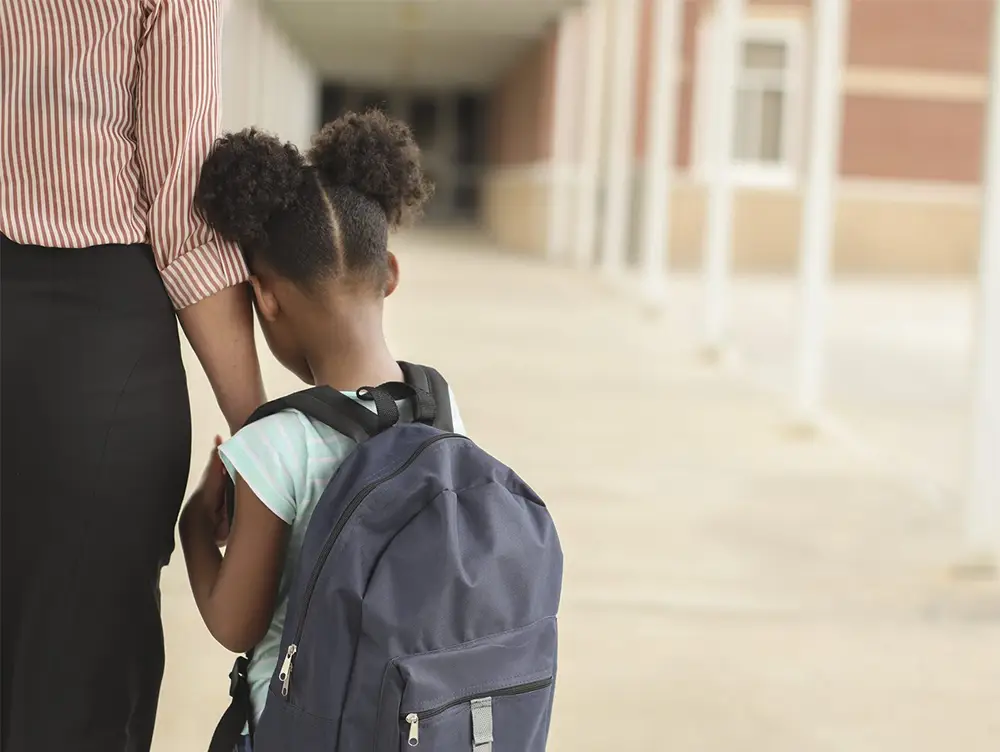
- Increased clinginess and reluctance to separate from caregivers
- Withdrawing from family meals, sports, or friendships
These behaviors can be misunderstood. Teachers may label them as defiance; parents might see them as shyness or attitude. However, pediatricians emphasize that anxiety symptoms evolve with age: younger children often show clinginess and separation struggles, while adolescents may isolate or retreat into screens (Pediatric Behavioral Health Review, 2022).
If your child frequently complains of “mystery” illnesses on school mornings or suddenly avoids extracurriculars, anxiety may be the underlying cause.
Physical Symptoms Parents Might Notice
When Anxiety Shows Up in the Body
Children rarely say “I’m anxious.” Instead, physical complaints often signal distress. Common symptoms include:
- Recurring stomachaches or nausea, especially before school, tests, or social events
- Headaches without a clear medical cause
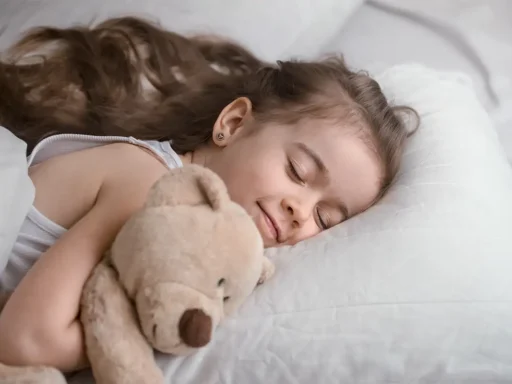
- Difficulty falling or staying asleep, nightmares, or daytime fatigue
- Muscle tension, rapid heartbeat, sweaty palms, or “butterflies” in the stomach
A 2021 PubMed study noted that school nurses often see children visiting repeatedly during stressful periods, with symptoms easing on weekends or holidays (PubMed, 2021). If your child wakes with complaints that improve later or uses physical symptoms to avoid certain situations, anxiety may be at play.
When to Seek Help: Red Flags and Risk Factors
All children experience nervousness at times. However, persistent signs and symptoms of childhood anxiety that interfere with daily life require professional attention. Watch for:
- Frequent refusal or difficulty attending school
- Distress that does not improve with reassurance
- Withdrawal from friends, family, or activities once enjoyed
- Unexplained physical complaints disrupting sleep or meals
- Talk of self-harm, deep sadness, or risky behaviors
The American Academy of Pediatrics advises consulting your child’s doctor or a licensed therapist if symptoms persist beyond a few weeks, worsen, or cause significant distress (AAP, 2023). Early intervention can prevent anxiety from developing into depression or other serious issues.
Practical First Steps for Parents
If you suspect your child is struggling with anxiety, you can take immediate steps:
- Keep a simple journal noting when symptoms occur, triggers, and your child’s reactions, as recommended by pediatric experts (AAP, 2023).
- Start gentle conversations with your child, such as “I notice you feel sick before school. Can you tell me more about that?” Open dialogue helps children feel heard and understood (NIH, 2022).
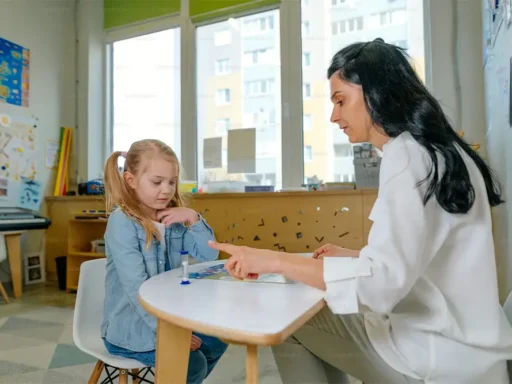
- Reach out to your child’s teacher, school counselor, or pediatrician for observations and support. A team approach improves outcomes (Child Mind Institute, 2023).
- Consider using screening tools like the Macquarie Anxiety Behavioural Scale or resources from the American Academy of Pediatrics to clarify concerns.
Research confirms that early attention to anxiety symptoms leads to better long-term results. Even small steps show your child they are not alone and that help is available (NIH, 2022; Child Mind Institute, 2023).
Conclusion and Reassurance
Anxiety is common, manageable, and does not have to define your child’s story. Spotting the signs and symptoms of childhood anxiety is the most important first step a parent can take. You are not alone—millions of families face similar challenges, and a growing network of pediatricians, schools, and community resources stands ready to help.
With ongoing care, patience, and the right support, children can move beyond anxiety and thrive. Trust your instincts, keep asking questions, and remember that reaching out is a sign of strength. Together, we can help every child feel safe, understood, and confident.
When to Seek Immediate Help
Know the red flags that require immediate professional attention:
- Self-harm or suicidal thoughts: If your child talks about hurting themselves, expresses hopelessness, or withdraws dramatically, seek emergency help or contact a mental health professional right away (American Academy of Pediatrics, 2023).
- Inability to function day-to-day: Missing multiple days of school, not eating, sleeping poorly, or refusing to leave their room for several days signals a need for urgent assessment (Child Mind Institute, 2023).
- Intense, persistent distress: Panic attacks, relentless fear, or outbursts that do not respond to comfort—especially if they escalate—warrant immediate support from your pediatrician or crisis services (National Institute of Mental Health, 2022).
If you’re unsure, it’s always safer to reach out—don’t wait for symptoms to “pass.” Early intervention can be life-changing.
Practical First Steps for Parents
Simple actions can help you support your child and gather insights for professional guidance:
- Track patterns: Keep a weeklong log of when symptoms appear, what triggers them, and how your child responds, as recommended by pediatric behavioral experts (AAP, 2023).
- Start the conversation: Use gentle questions such as, “When do you feel most worried?” to open dialogue—even if your child has trouble answering. Open communication is linked to lower anxiety levels (NIH, 2022).
- Reach out to school: Teachers, counselors, and nurses can provide valuable observations about what happens outside your view. A team approach has been shown to improve outcomes (Child Mind Institute, 2023).